
 ESPAÑOL
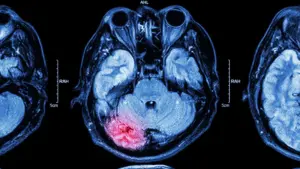
September is World Alzheimer’s Month, a time to raise awareness about Alzheimer’s disease and other forms of dementia and the factors that may influence long-term brain health.
One important area of research involves traumatic brain injuries (TBIs). TBIs can happen in car crashes, truck accidents, motorcycle collisions, pedestrian accidents, falls, and other traumatic events. While some people recover from a TBI without lasting effects, research suggests that certain brain injuries may be associated with an increased risk of cognitive decline and dementia later in life.
That does not mean every person who suffers a concussion or TBI will develop dementia or Alzheimer’s disease. The relationship is complicated, and researchers are still working to understand exactly how brain trauma may contribute to neurodegenerative disease.
At George Sink Injury Lawyers, we understand that the consequences of an accident can extend far beyond the initial injury. If you or a loved one suffered a traumatic brain injury because of an accident, our experienced injury team can help you understand your rights and legal options.
What Is the Connection Between TBI and Dementia?
Research suggests that a history of TBI is associated with a higher risk of developing dementia, particularly after more severe injuries or repeated brain trauma.
A 2023 systematic review and meta-analysis examining 32 studies and more than 7.6 million individuals found that people with a history of TBI had an approximately 66% higher risk of all-cause dementia than people without TBI. The researchers also noted significant variation among studies, underscoring that the relationship is not identical for every person or injury.
More recent research has continued to find an association. An umbrella systematic review and meta-analysis published in 2024 found an overall increased risk of dementia following TBI, although the researchers emphasized substantial differences among studies. Its analysis also found that the relationship with Alzheimer’s disease was less consistent than the relationship with dementia overall.
What About Alzheimer’s Disease Specifically?
The research connecting TBI to Alzheimer’s is promising but less definitive than the evidence connecting TBI to dementia overall.
The Alzheimer’s Association notes that research over the past several decades has linked moderate and severe TBI with increased risk of cognitive decline or dementia years after the original injury. Some studies have found particularly large increases in Alzheimer’s risk following moderate or severe injuries.
For example, one frequently cited study found that older adults with a history of moderate TBI had 2.3 times the risk of developing Alzheimer’s, while those with severe TBI had 4.5 times the risk, compared with people without a history of head injury.
However, other studies have not found the same relationship. A 2021 meta-analysis of 25 studies found an increased risk of dementia after TBI but did not find a statistically significant association between TBI and Alzheimer’s disease specifically.
The takeaway: scientists see a meaningful connection between TBI and later cognitive problems, but they have not established that a TBI directly causes Alzheimer’s in every case.
How Could a Brain Injury Contribute to Dementia?
Researchers believe several biological processes may help explain the connection, but the exact mechanisms are still being studied.
A traumatic brain injury can disrupt normal brain function immediately. Depending on the injury, damage may involve brain tissue, blood vessels, nerve fibers, or other structures.
The CDC notes that moderate and severe TBIs can produce long-term problems involving:
- Memory and learning
- Concentration and thinking
- Communication
- Mood and behavior
- Balance and coordination
Some effects can persist for years or become lifelong.
Researchers studying TBI and Alzheimer’s-related dementias are investigating how trauma may contribute to changes in the brain associated with neurodegeneration. The National Institute on Aging specifically identifies TBI as an area of ongoing research into Alzheimer’s disease and related dementias.
Importantly, a TBI is one potential risk factor — not a guarantee of future dementia. Age, genetics, cardiovascular health and numerous other factors also influence dementia risk.
Can a Car Accident Cause a Traumatic Brain Injury?
Yes. A car crash can cause a TBI even when there is no obvious external injury to the head.
During a collision, the brain can move rapidly inside the skull as the head and body are suddenly accelerated, stopped, or thrown in different directions. A person’s head may also strike a steering wheel, dashboard, window, headrest, or another object.
Car crashes can produce different types of brain injuries, including concussions and more serious traumatic injuries.
Other accidents that can cause TBIs include:
| Accident | How a TBI Can Occur |
| Truck or motorcycle crash | Sudden impact, ejection or head strike |
| Pedestrian accident | Impact with a vehicle or roadway |
| Slip and fall | Head striking the ground or another surface |
| Workplace accident | Falling objects, machinery, falls from heights |
This is one reason brain injuries should be taken seriously even when other injuries appear more obvious.
What Are the Long-Term Warning Signs of a TBI?
Persistent or worsening changes in memory, thinking, behavior or daily functioning should be evaluated by a medical professional. TBI symptoms can vary significantly depending on the severity and location of the injury. Possible cognitive and emotional effects include:
| Potential TBI-Related Changes | What They May Look Like |
| Memory problems | Forgetting conversations, appointments, or recently learned information |
| Difficulty concentrating | Trouble focusing, following conversations, or completing familiar tasks |
| Mood changes | Increased irritability, anxiety, depression, or emotional changes |
| Communication difficulties | Trouble finding words, expressing thoughts, or understanding information |
| Changes in judgment | Difficulty making decisions or managing familiar situations |
Important: These symptoms can have many possible causes and do not necessarily indicate dementia or Alzheimer’s disease. Persistent or worsening cognitive or behavioral changes should be evaluated by a medical professional.
Why Does This Matter During World Alzheimer’s Month?
Understanding the potential long-term consequences of brain injuries is part of understanding brain health.
Alzheimer’s disease affects millions of Americans. The Alzheimer’s Association estimates that approximately 7.4 million Americans are living with clinical Alzheimer’s dementia in 2026.
The broader impact extends well beyond the individual diagnosed with dementia. Families and caregivers can face significant emotional, physical and financial challenges as care needs increase.
That makes continued research into potentially modifiable risk factors — including traumatic brain injury — particularly important.
September’s World Alzheimer’s Month provides an opportunity to recognize those living with dementia, support caregivers, and encourage greater awareness of brain health and dementia research. World Alzheimer’s Day is observed each year on September 21.
What Should You Do After an Accident-Related TBI?
Prompt medical evaluation and thorough documentation are important after a suspected brain injury.
If you’ve suffered a head injury in an accident, don’t dismiss symptoms simply because they initially seem minor. Seek medical attention and follow your provider’s recommendations.
It can also be helpful to maintain records of:
- Medical evaluations and diagnoses
- Imaging and neurological testing
- Medications and treatment
- Changes in memory, concentration or mood
- Missed work or other limitations
- Ongoing medical care and rehabilitation
Because some consequences of TBI can extend well beyond the initial accident, documenting both the injury and its continuing effects can become particularly important.
Pro Tip: Don’t measure a brain injury only by what can be seen immediately after an accident. A broken bone may be visible on an X-ray. The effects of a brain injury can be much harder to see, and some cognitive or behavioral consequences may become apparent only over time.
The Bottom Line
A growing body of research connects traumatic brain injury with an increased risk of dementia and long-term cognitive decline. The relationship with Alzheimer’s disease specifically is more complicated, with some studies finding an increased risk and others finding no significant association.
During World Alzheimer’s Month, understanding that connection is another reminder of why protecting the brain, recognizing TBI symptoms and taking brain injuries seriously matter long after an accident occurs.
If you or someone you love suffered a traumatic brain injury because of an accident, George Sink Injury Lawyers can help you understand your legal options. Call 843-999-9900 or contact us online.
Not Happy With the Results From Your Current Lawyer?
(888) 612-7001